 Canadian Dollar
 US Dollar


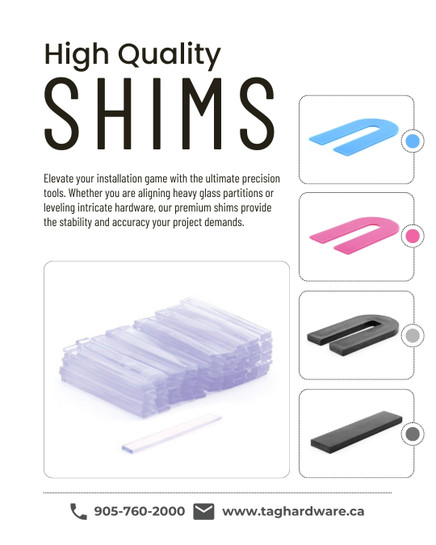
Precision is the foundation of every successful construction and installation project. Whether you are installing frameless glass panels, aligning architectural hardware, fitting windows, or levelling structural components, high-quality shims play a crucial role in ensuring stability, accuracy, and long-term durability.
In modern construction, architects, interior designers, glass companies, and contractors rely on precision shims to achieve perfect alignment and structural support. These small yet powerful components help correct minor gaps, level surfaces, and distribute loads evenly during installations.
This guide explains everything you need to know about high-quality installation shims, their applications, benefits, types, and why they are essential for professional construction projects in Canada and the United States.
What Are Shims?
A shim is a thin spacer inserted between two surfaces to fill gaps, correct alignment, or adjust height during installation or construction.
These small components allow installers to:
- Level uneven surfaces
- Adjust alignment
- Maintain structural balance
- Prevent stress on installed components
- Improve installation precision
Shims are typically made from materials such as:
- Plastic
- Polypropylene
- Metal
- Wood
- Composite materials
Plastic shims are particularly popular in glass installations and architectural hardware because they resist moisture, corrosion, and deformation over time.
Why High-Quality Shims Matter in Modern Construction
Many professionals underestimate the importance of shims until alignment problems appear. Poor levelling can cause:
- Glass panel stress cracks
- Misaligned doors
- Uneven hardware installation
- Structural imbalance
- Long-term maintenance issues
High-quality installation shims provide precise spacing and support, helping construction professionals avoid costly errors.
In glass and façade installations, shims also help protect glass edges and maintain correct spacing between panels and frames.
Key Features of Premium Installation Shims
Professional-grade shims used in architectural and construction applications typically include:
- Precision Thickness
Different shim thicknesses allow installers to make small incremental adjustments to achieve perfect alignment.
- High Load Capacity
Quality shims are designed to withstand heavy structural loads without compression or breakage.
- Durable Materials
Premium shims are often made from polypropylene or reinforced plastics that resist:
- Moisture
- Corrosion
- Chemicals
- Weather exposure
- Color-Coded Identification
Many shims are color-coded to help installers quickly identify thickness sizes during installation.
- Non-Slip Surface
Professional shims often include textured or grid surfaces to prevent movement after installation.
Types of Shims Used in Construction and Glass Installation
There are several types of shims designed for specific construction tasks.
- Flat Shims
Flat shims are the most common type and are used for:
- Levelling cabinets
- Aligning hardware
- Supporting heavy panels
They provide uniform thickness and stable support.
- U-Shaped Shims
U-shaped shims allow installers to fit around bolts, anchors, or fasteners without removing them.
These are commonly used in:
- Glass door hinge installations
- Curtain wall systems
- Structural anchoring systems
- Horseshoe Shims
These shims are designed for window and glass installations, allowing them to wrap around anchors while supporting glass weight.
- Stackable Shims
Stackable shims allow installers to combine multiple shims to achieve precise thickness adjustments.
They are commonly used in:
- Window installation
- Door frame alignment
- Architectural hardware installation
Applications of High-Quality Shims
High-quality installation shims are used across multiple industries.
Glass & Architectural Hardware
Shims are essential when installing:
- Frameless shower doors
- Glass railings
- Glass partitions
- Storefront systems
- Curtain wall systems
They help maintain correct spacing and protect glass edges from direct contact with hard surfaces.
Window and Door Installation
In window and door installations, shims are used to:
- Level frames
- Maintain structural alignment
- Ensure smooth opening and closing
Plastic shims are frequently placed at intervals along window frames to keep installations square and stable.
Construction and Structural Alignment
Shims are widely used in:
- Precast concrete installation
- Steel fabrication
- Structural alignment
- Equipment levelling
These shims help distribute load evenly and prevent stress concentration.
Interior Design and Furniture Installation
Interior designers and contractors use shims for:
- Cabinet levelling
- Countertop installation
- Flooring adjustments
- Wall panel alignment
DIY Home Improvement Projects
DIY enthusiasts frequently use shims when installing:
- Doors
- Windows
- Cabinets
- Appliances
- Deck structures
Benefits of Using High-Quality Shims
- Precise Alignment
Shims allow installers to achieve millimetre-level adjustments.
- Faster Installation
Installers can make quick adjustments without modifying structural elements.
- Structural Stability
Proper shimming ensures even load distribution.
- Long-Term Durability
Plastic shims do not rot like wood or rust like metal.
- Reduced Maintenance
Proper installation reduces long-term repair costs.
Why Architects and Designers Specify Shims
Architects and designers rely on shims to ensure projects meet strict structural tolerances and aesthetic precision.
Shims are critical for:
- Frameless glass installations
- High-end interior design
- Commercial storefronts
- Curtain wall systems
- Structural glazing
Proper shimming ensures that architectural elements remain visually aligned and structurally sound.
Best Practices for Installing Shims
Professionals follow several best practices when installing shims.
- Use Multiple Shims for Precision
Stacking thinner shims allows for finer adjustments.
- Maintain Even Distribution
Place shims at regular intervals to prevent uneven load distribution.
- Avoid Over-Compression
Shims should support the structure without deforming under pressure.
- Trim Excess Material
Excess shim material should be cut after installation for a clean finish.
Why Plastic Shims Are Preferred Over Wood
Plastic shims have become the preferred choice for modern construction because they offer several advantages:
|
Feature |
Plastic Shims |
Wood Shims |
|
Moisture resistance |
Yes |
No |
|
Rot resistance |
Yes |
No |
|
Load capacity |
High |
Medium |
|
Precision thickness |
High |
Low |
|
Durability |
Excellent |
Moderate |
Because of these benefits, plastic shims are widely used in commercial construction and architectural installations.
Choosing the Right Shims for Your Project
When selecting installation shims, professionals should consider:
Material
Polypropylene or reinforced plastic is recommended.
Thickness Options
Choose shims available in multiple thickness levels.
Load Capacity
Ensure shims can support structural loads.
Application Type
Different installations require different shim designs.
The Growing Demand for Precision Construction Tools
The construction industry in Canada and the United States is increasingly focused on:
- precision installations
- modern glass architecture
- modular construction
- energy-efficient building systems
As a result, demand for high-quality installation accessories like shims is rapidly increasing.
Architects, glass companies, and contractors rely on these tools to ensure accuracy, durability, and safety in modern building systems.
Frequently Asked Questions (FAQs)
What are shims used for in construction?
Shims are used to level, align, and support building components such as windows, doors, glass panels, cabinets, and structural elements.
Are plastic shims better than wood shims?
Yes. Plastic shims resist moisture, corrosion, and deformation, making them ideal for long-term structural installations.
Can shims support heavy loads?
High-quality plastic shims can support significant compressive loads and are commonly used in glass, concrete, and steel installations.
How many shims should be used during installation?
It depends on the application. For example, window installations often require shims placed 14–16 inches apart along the sill to maintain level alignment.
Conclusion
Although they are small components, high-quality shims are essential tools for achieving precision in construction and architectural installations.
From glass partitions and curtain walls to cabinets and structural alignment, shims ensure:
- accurate leveling
- structural stability
- professional installation quality
For architects, interior designers, glass companies, contractors, and DIY installers across Canada and the United States, using reliable installation shims can significantly improve project quality and long-term durability.
In modern construction, precision matters and the right shim makes all the difference.